Plaster, pebble or quartz: choosing a Houston pool finish
The finish is the part of your pool you touch, see and chemically stress every day, so the choice deserves more than a color swatch.
October 27, 2026 · 4 min read
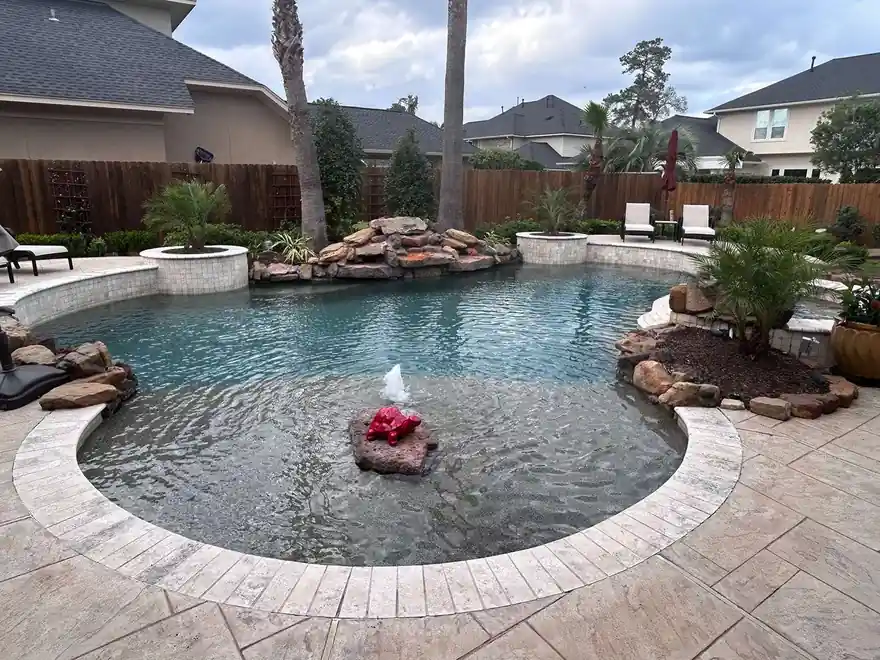
When a pool is resurfaced, the old interior finish comes off or gets prepared and a new one goes on over the shell. Most owners walk into that decision looking at color samples. Color matters, but the bigger differences are underfoot, in how the surface handles chemistry, and in how it ages. Sutton Pools resurfaces in plaster, pebble and quartz finishes, and each one suits a different owner. Here is how they compare in practical terms, so you can walk into a quote conversation knowing what to ask.
What the finish actually does
The structural shell holds the water. The finish is a thin skin over it that keeps water from soaking into the shell, gives the pool its surface texture and sets the color you see. Because it is in constant contact with chemically treated water, it takes the wear from sun, chemistry, brushing and bodies. When a finish is worn out, you may see rough patches, stains that will not brush off, or a surface that sheds fine material. Resurfacing renews the skin and the look of the water at the same time.
Plaster: smooth and classic
Plaster is a cement-based finish, troweled smooth. It is the traditional pool surface and it feels the most comfortable on bare feet and swimsuits. It is generally available in white and in tinted colors, and it gives the water a clean, bright look.
The tradeoff is sensitivity. A cement-based surface reacts to water that is out of balance, and plaster tends to show chemistry mistakes sooner than the other two. Etching, staining and rough spots are the usual signs. If you want a smooth surface and you are committed to steady water care, plaster is a good fit. If your pool has long gaps between attention, it is the least forgiving choice.
Pebble: textured and rugged
Pebble finishes set small, rounded stones in a cement binder. The surface is textured and the colors look natural, like a streambed. That texture hides small stains and marks well, and pebble has a reputation for standing up to wear.
- Underfoot, it is rougher than plaster. Check it by hand, and think about children, bare knees on steps and the tanning ledge.
- The texture holds a little more dirt and takes more brushing to keep clean.
- Stones give the water a deeper, more varied color than a flat surface.
- It suits owners who want a natural look and a surface that hides everyday marks.
Quartz: smoother, with consistent color
Quartz finishes mix crushed quartz aggregate into the cement. The result sits between the other two: smoother underfoot than pebble, with more color depth and consistency than plain plaster. Quartz is a common middle path for owners who want something more durable than plain plaster without the rougher feel of exposed stones.
Houston conditions that should shape the choice
Houston's heat, soils and water chemistry are hard on pools. Long hot seasons mean the surface is in strong sun for months, and the pool is often warm enough to encourage algae. Fill water varies, and a pool that gets topped up often shifts its balance. Sutton Pools' view is that those local conditions create challenges that out-of-town contractors underestimate, and a finish should be chosen with them in mind rather than from a brochure.
A few practical questions follow from that:
- Who will manage the water? A weekly service visit, or you on weekends? Steadier care favors plaster. Less predictable care favors pebble or quartz.
- Does the pool have a salt system? Ask how any finish you are considering handles it.
- How much do you swim barefoot, and who is swimming? Test the texture before you commit.
- Do you have a shaded area that tends to grow algae? A textured surface will take more brushing.
- What color will the water look like in your light? Ask to see samples wet, not dry.
Questions to put to any contractor
The finish is only as good as the preparation under it and the way it is cured and started up. Ask how the old surface is prepared, how the new finish is applied and cured, what the start-up water care routine looks like, and who handles it. A finish that is handled correctly at the start behaves very differently from one that is rushed. Ask what is repaired before the new surface goes on. Cracks, hollow spots and failing tile belong on the same estimate, because covering a known problem is the quickest way to pay for resurfacing twice.
If you are comparing finishes, bring your questions and a sample of what you like. Sutton Pools' pool resurfacing service covers plaster, pebble and quartz, and the quote and renovation consultation are free with no obligation. Call (281) 789-4584.
Sutton Pools, (281) 789-4584
Call (281) 789-4584More articles
How to tell if your Houston pool is leaking
Every pool loses some water, so the real job is telling normal loss from a leak and knowing what a proper leak test involves.
What Houston clay and heat do to pool tile, coping and decks
The edge of your pool is where soil movement, sun and water chemistry all meet, and it is usually the first place trouble shows.